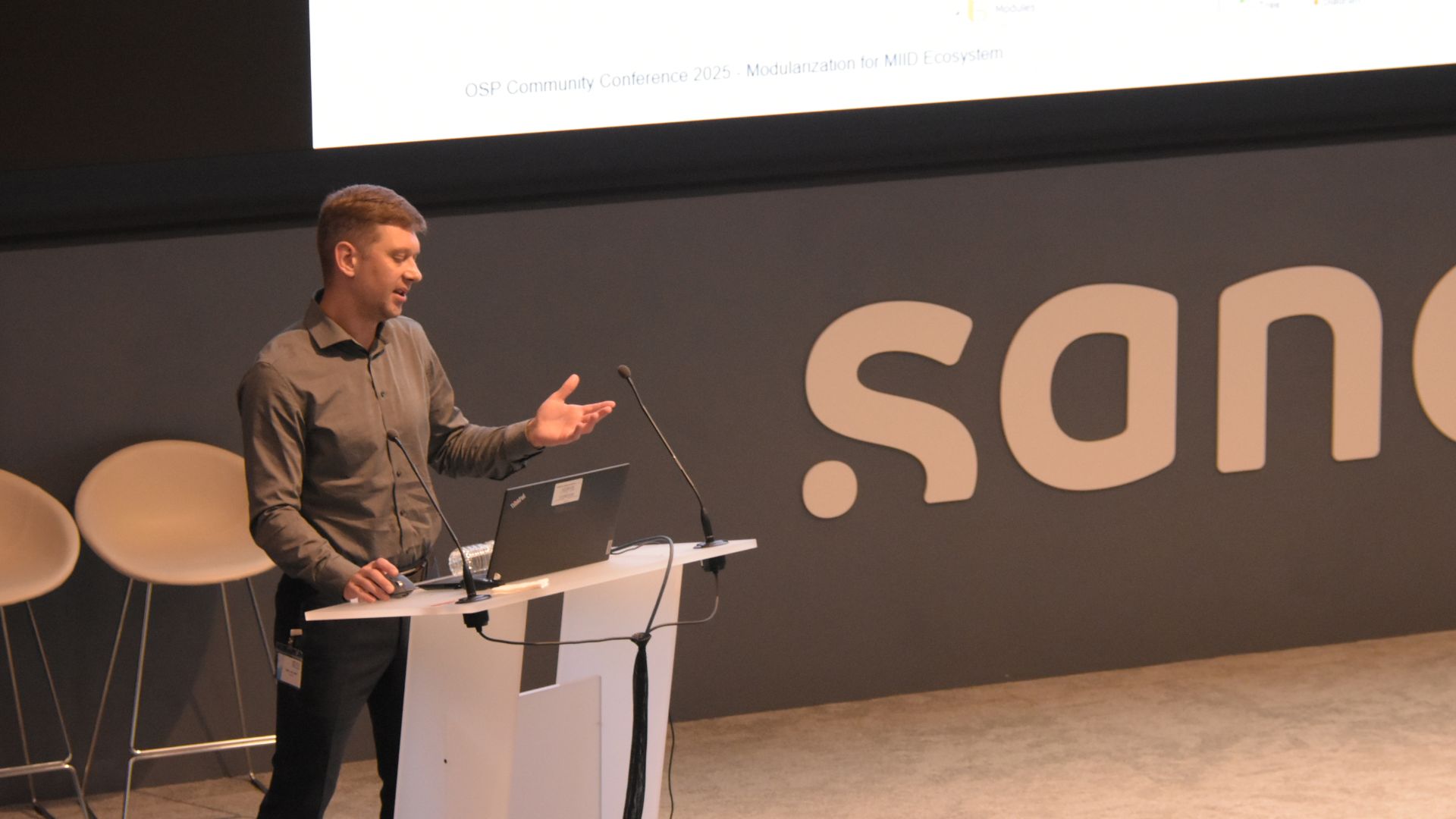
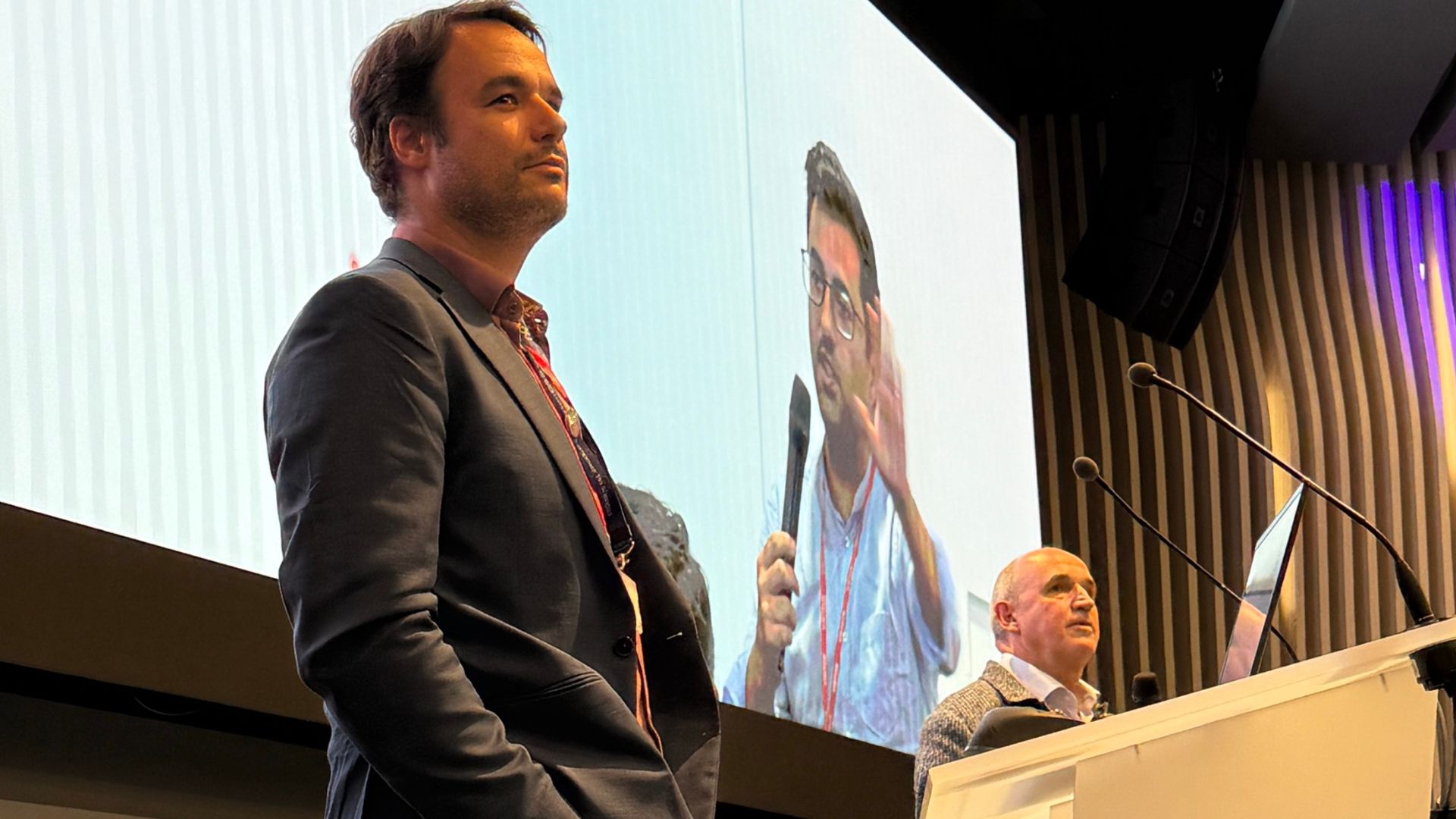
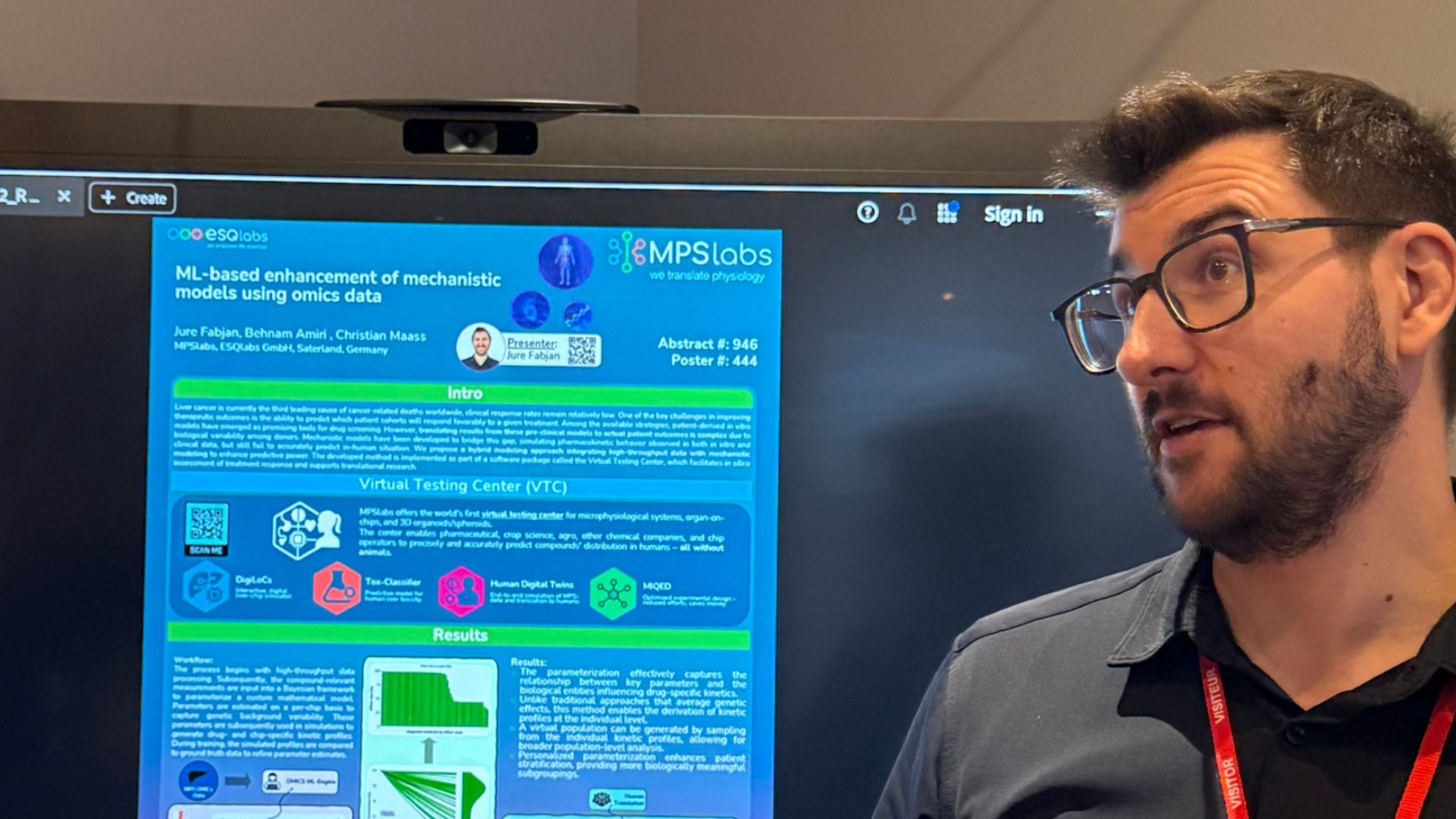
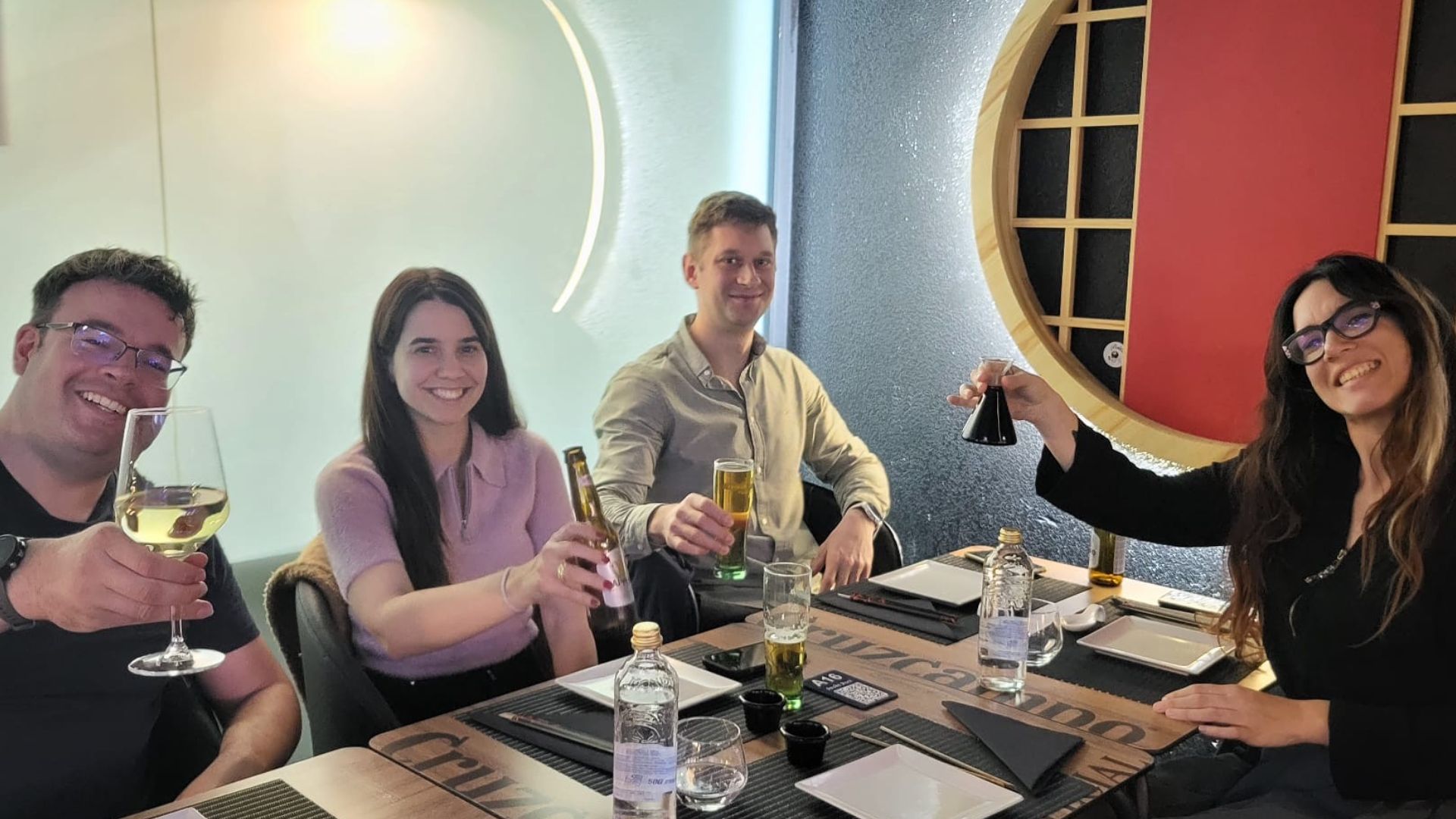
Meet ESQlabs
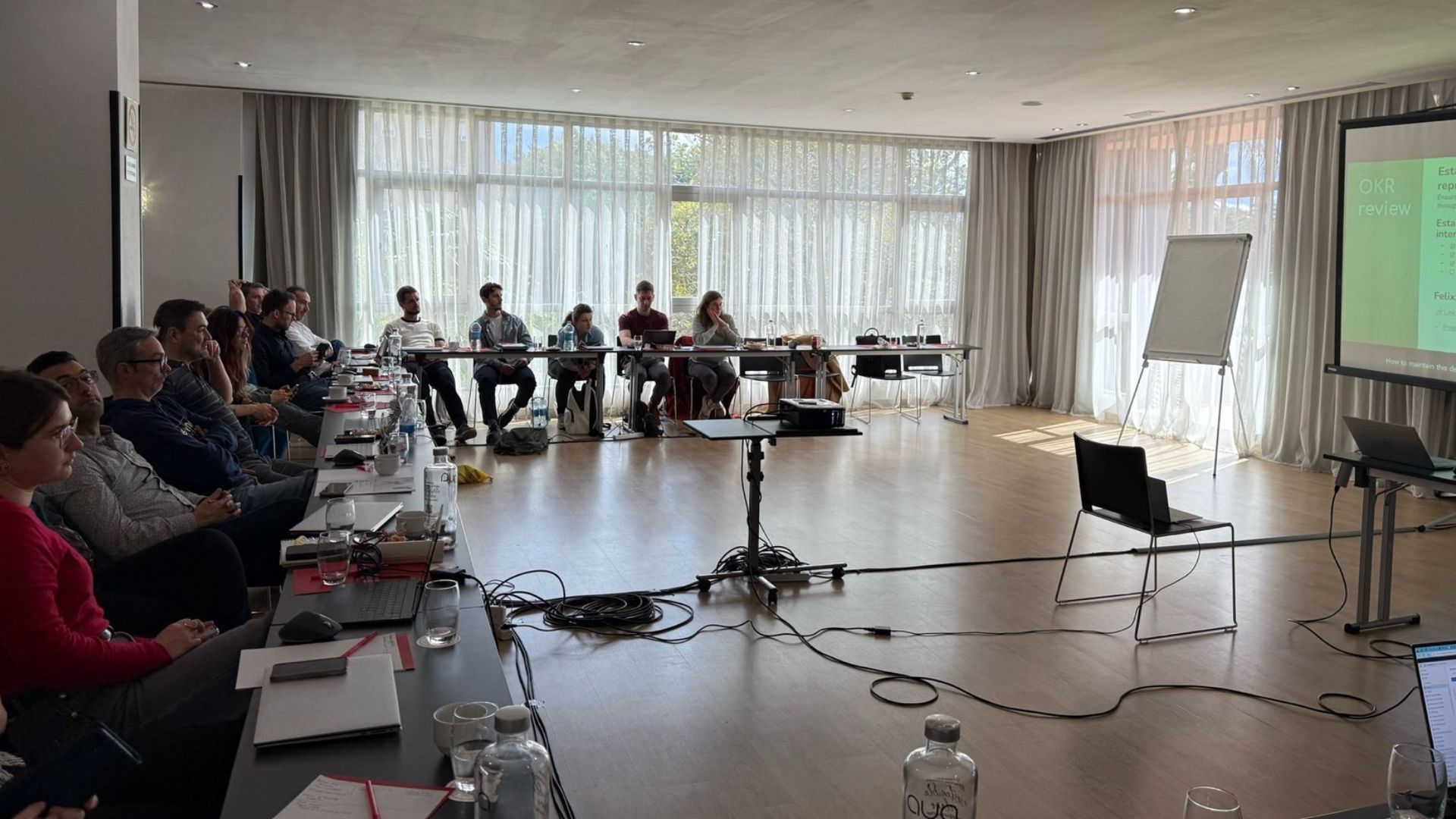
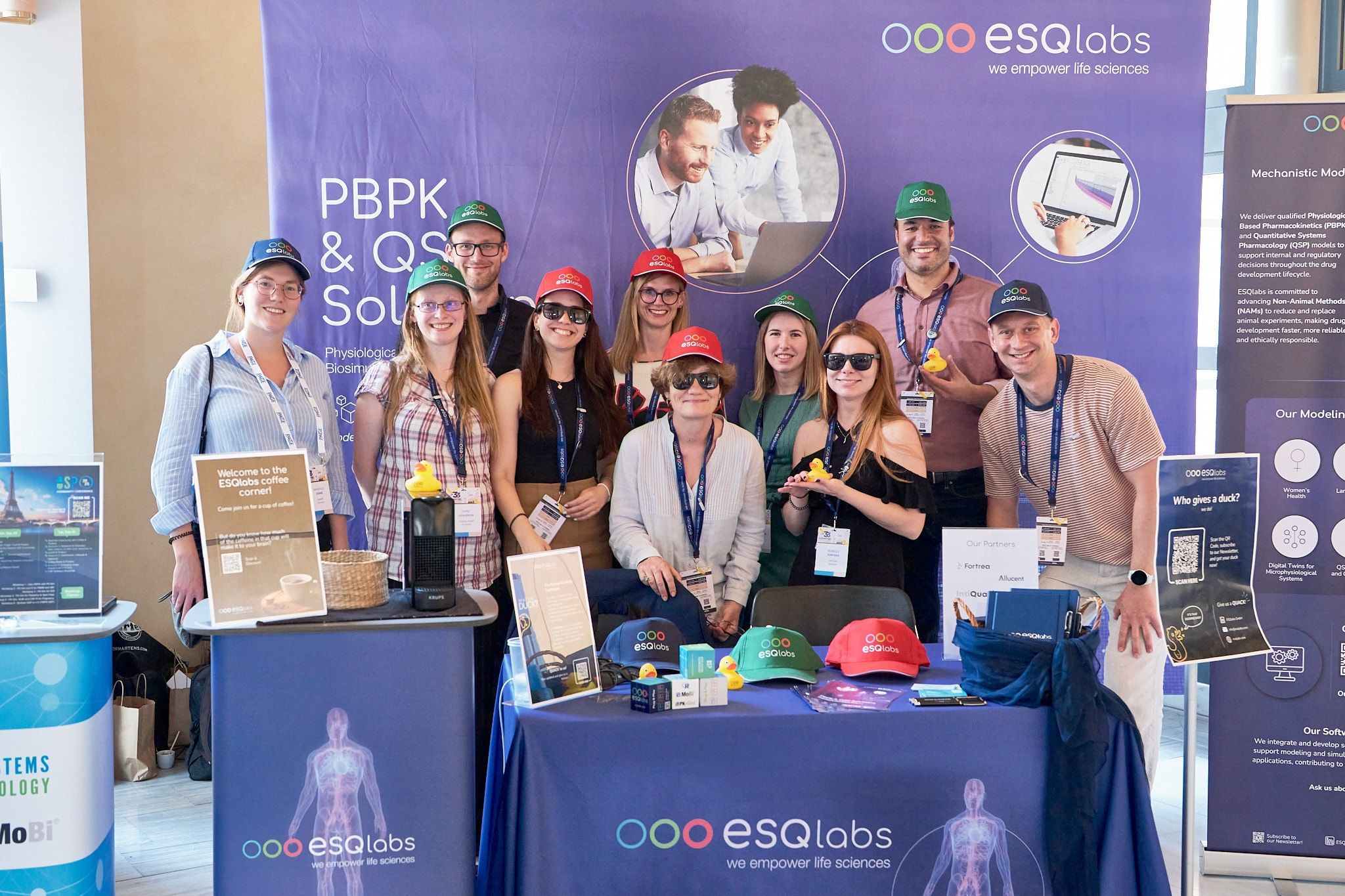
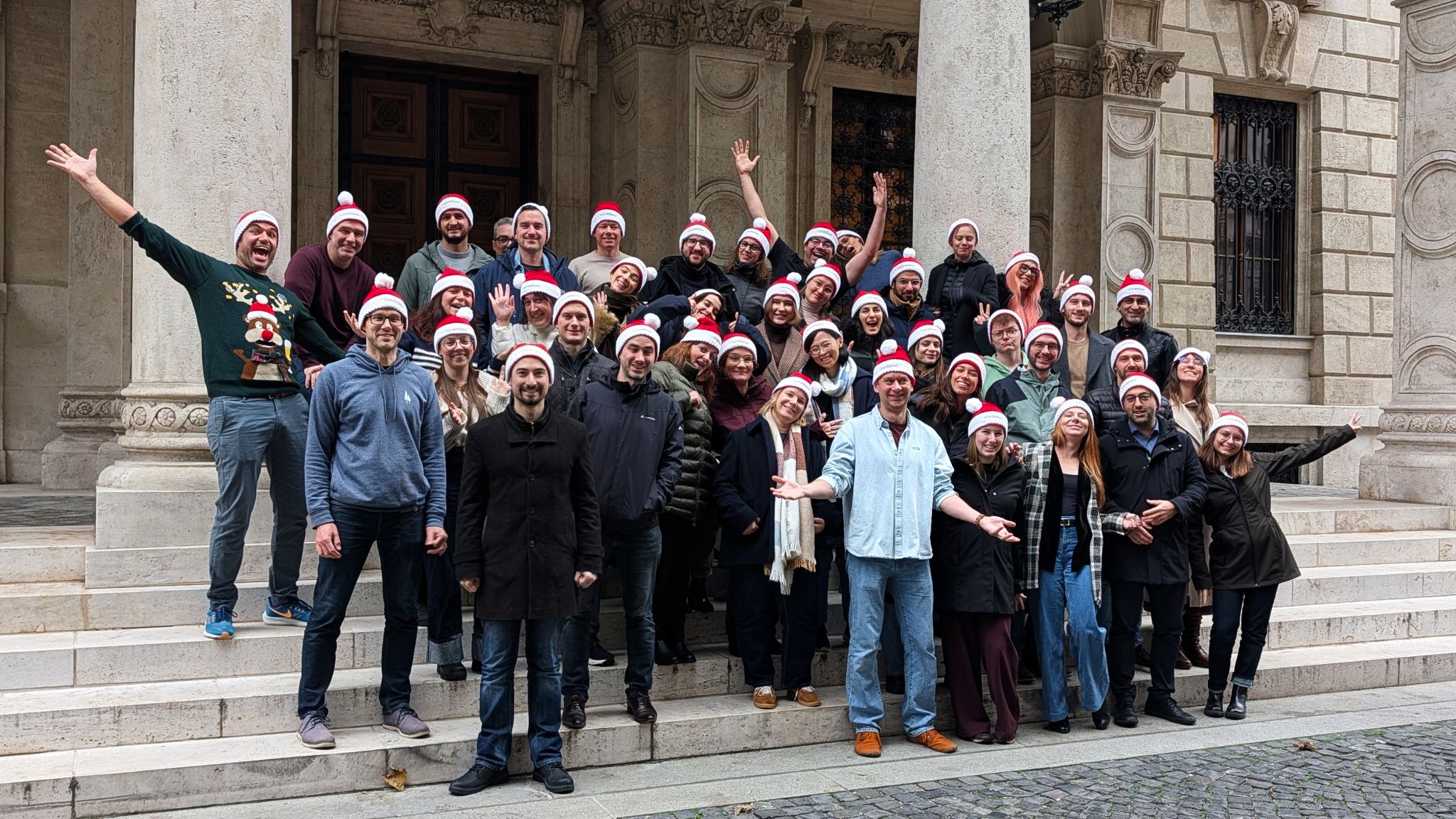
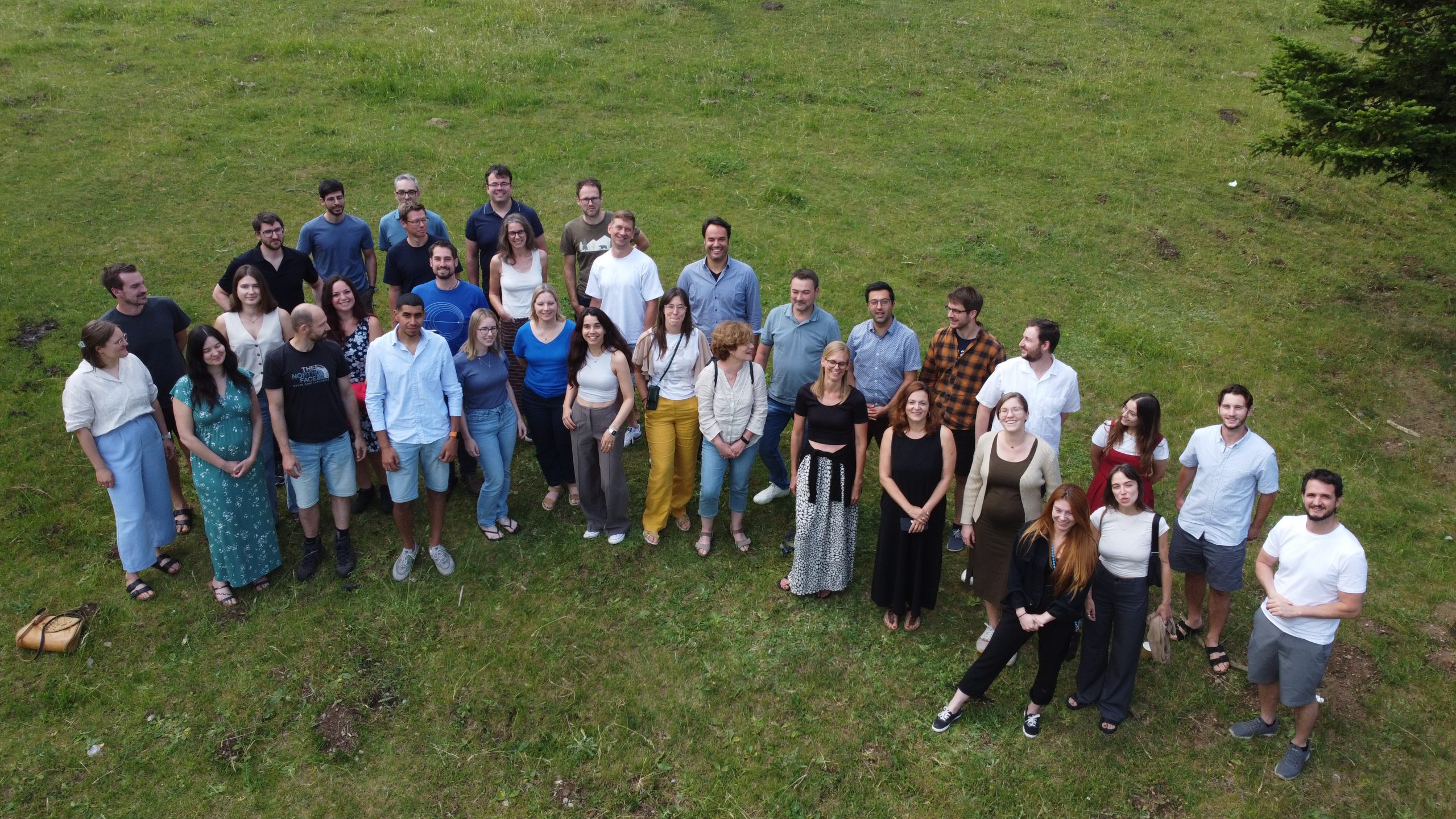
ESQlabs has a dynamic team that brings together people from diverse backgrounds, spanning disciplines such as pharmaceutical sciences, physics, bioinformatics, mathematics, data science, and software engineering. We trust one another, remain open-minded, and are in a constant quest for excellence and innovation.
Interested in joining the team? Check our Job Postings:

Alexander Kulesza
Principal ScientistAlexander is a Chemist by training with a PhD focusing on theoretical and computational methods for structural and optical property predictions.
After spending several years in academia (U. of Lyon) working on molecular dynamics simulation and free energy methods, Alex has most recently been working with CROs in applying large-scale disease and quantitative systems pharmacology models integrated into clinical trial simulations, across a number of disease areas.
Alex leads QSP/T and qAOP / Systems Pharmacology with the aim to promote widespread application of physiologically based and mechanistic modeling and to create robust and qualified, yet versatile models and applications for high impact decision making.
Marco Siccardi
Principal ScientistMarco is a Clinical Biologist by training with a PhD in molecular pharmacology and PK/PD modelling. He spent over 15 years at the University of Liverpool working on the topic of pharmacogenetics and in developing PBPK approaches for the optimisation of drug delivery, including HIV therapy optimisation.
Marco has most recently been working with CROs in taking this approaches for modelling and simulation approaches and PKTK (Systems Toxicology) models across a number of disease areas.
Marco leads the Systems Toxicology team with the aim to promote collaborative innovation and to develop novel modeling approaches to streamline the toxicological assessment.
- Development of an end-to-end Quantitative Model-Informed Drug Development (MIDD) ECOSYSTEM
- A review of OSP suite PBBM capabilities: looking ahead
- Roadmap for action for advancing aggregate exposure to chemicals in the EU
- Application of High-Throughput PBPK Modeling to Develop an IVIVE Approach for Oral Permeability
- Enhancing PB(P)K Models for the Female Reproductive Tract: A Framework for Local and Systemic Drug Kinetics
- Advancing Maternal-Fetal and Lactation PBK Models for Cross-Species Risk Assessment in Toxicology
- High-Throughput PBPK Framework in R using Open Systems Pharmacology Software for Anti-Tuberculosis Drug Development
Marjory Moreau
Principal ScientistA leading expert in human systems biology and chemical safety assessment, Marjory brings world-class expertise in physiologically-based pharmacokinetic (PBK) modeling and quantitative in vitro to in vivo extrapolation (QIVIVE). With a PhD in Toxicology from the University of Montreal and a postdoctoral fellowship at Health Canada’s Computational Toxicology Laboratory, she has dedicated her career to advancing 𝐍𝐞𝐱𝐭-𝐆𝐞𝐧𝐞𝐫𝐚𝐭𝐢𝐨𝐧 𝐑𝐢𝐬𝐤 𝐀𝐬𝐬𝐞𝐬𝐬𝐦𝐞𝐧𝐭 (𝐍𝐆𝐑𝐀) and bridging cutting-edge science with 𝐫𝐞𝐠𝐮𝐥𝐚𝐭𝐨𝐫𝐲 𝐝𝐞𝐜𝐢𝐬𝐢𝐨𝐧-𝐦𝐚𝐤𝐢𝐧𝐠. At ESQlabs, she will lead NGRA initiatives in the U.S., positioning us as a trusted regulatory partner while strengthening support for our American clients.
No publications assigned.
Pavel Balazki
Senior ScientistPavel Balazki is a bioinformatitian by training with over 10 years of experience in PB(P)K and QSP/T modeling and software development.
Pavel’s modeling expertices is focused on developing complex PB-QSP/T disease models, such as the Diabetes Platform or the Thyroid Hormones Toxicology Platform.
Pavel leads the Software ToolChain team at ESQlabs, developing new technologies to enable an integrated ecosystem of software, models, and solutions.
- Development of an end-to-end Quantitative Model-Informed Drug Development (MIDD) ECOSYSTEM
- Evaluation of the drug-drug interaction potential of treosulfan using a physiologically-based pharmacokinetic modelling approach
- Application of High-Throughput PBPK Modeling to Develop an IVIVE Approach for Oral Permeability
- Harnessing Open-Source Solutions: Insights From the FirstOpen Systems Pharmacology (OSP) Community Conference
- Harnessing Open-Source Solutions: Insights From the First Open Systems Pharmacology (OSP) Community Conference
- Advancing Maternal-Fetal and Lactation PBK Models for Cross-Species Risk Assessment in Toxicology
- High-Throughput PBPK Framework in R using Open Systems Pharmacology Software for Anti-Tuberculosis Drug Development

René Meyer
Finance LeadRene Meyer is a Finance & HR Manager with a strong drive to build efficiency into organizational processes and structures.
Before joining ESQlabs, he worked in similar roles and responsibilities at Tracks GmbH, easyOptimize GmbH, and the SkySails Group. He gained substantial experience in finance & financing, HR management, business administration, public grants, and business model development with a focus on start-ups and SMEs. He is proficient in financial planning concepts, investment strategies, taxation, financial markets, recruitment and HR management, legal an contract management, privacy and data protection, processes, and organization structures.
Rene studied for his MBA in Innovation, Enterprise, and the Circular Economy at the University of Bradford (UK). The Dipl-Betriebswirt and BA of Arts in European Business Studies were obtained in a dual program from ARU Cambridge (UK) and FH Landshut (Germany).
No publications assigned.
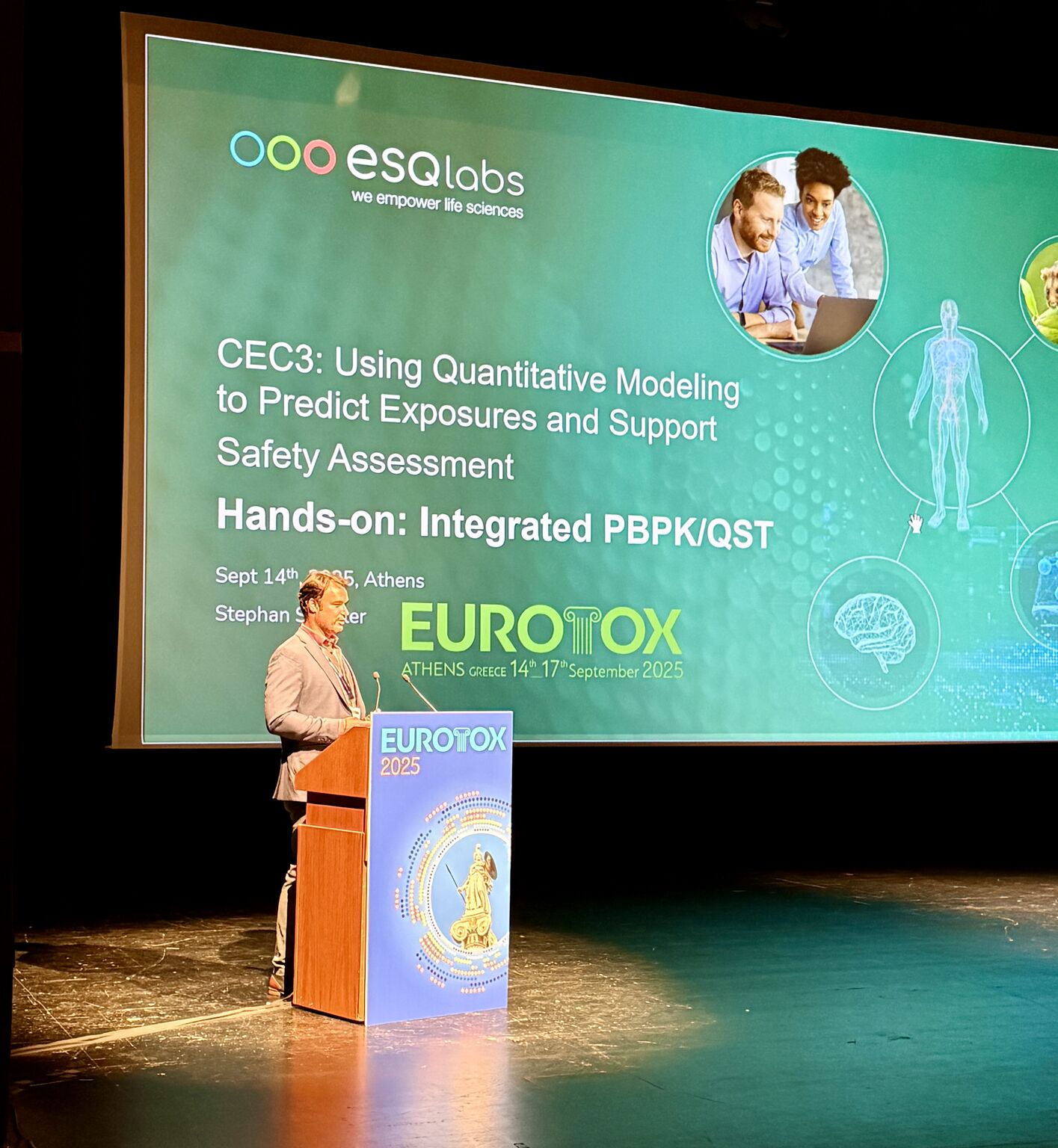
Stephan Schaller, PhD
Principal ScientistStephan Schaller is a Systems Scientist passionate about Model Based Drug Discovery, Development and Dosing (MI4D) with over eight years of industry experience. His experience ranges from target validation in the early phases of drug discovery to development of automated decision support systems for drug dosing at the point of care.
Stephan Schaller founded ESQlabs GmbH to advance the integration of computational methods in healthcare to derive effective computational platforms for drug-, device- and treatment-development and -optimization (i.e. personalization).
During his time in industry, he has leveraged physiologically-based concepts for decision-making support to drug discovery and development teams in various therapeutic areas, including oncology, immunology, hematology, cardiovascular and metabolic disease.
Stephan Schaller studied Control Systems Engineering and Systems Biology at the University of Stuttgart, Germany and received his PhD from the RWTH Aachen University, Germany in collaboration with Bayer in Computational Engineering for the development of an automated decision support system for insulin dosing in type 1 diabetes patients.
- Development of an end-to-end Quantitative Model-Informed Drug Development (MIDD) ECOSYSTEM
- Systematic evaluation of high-throughput PBK modelling strategies for the prediction of intravenous and oral pharmacokinetics in humans
- Local depletion of large molecule drugs due to target binding in tissue interstitial space
- Towards Predictions of Clinical Trial Outcomes: Combining PBPK and QSP within a Translational Diabetes PB-QSP Disease Platform
- Machine-Learning Aided Multi-Scale Modelling Framework for Toxicological Endpoint Predictions in the Dog
- A Generic Integrated Physiologically based Whole-body Model of the Glucose-Insulin-Glucagon Regulatory System
- Considering developmental neurotoxicity in vitro data forhuman health risk assessment using physiologicallybased kinetic modeling: deltamethrin case study
- Evaluation of BCRP‑Related DDIs Between Methotrexateand Cyclosporin A Using Physiologically Based PharmacokineticModelling
- Evaluation of the drug-drug interaction potential of treosulfan using a physiologically-based pharmacokinetic modelling approach
- A generic avian physiologically-based kinetic (PBK) model and itsapplication in three bird species
- Using Physiologically Based Absorption Modeling toassess the failing bioequivalence of ziprasidone capsules.
- A review of OSP suite PBBM capabilities: looking ahead
- Reproductive toxicity in birds predicted by physiologically-based kinetics and bioenergetics modelling
- Considering developmental neurotoxicity in vitro data for human health risk assessment using physiologically-based kinetic modeling: deltamethrin case study
- A generic avian physiologically-based kinetic (PBK) model and its application in three bird species
- Application of High-Throughput PBPK Modeling to Develop an IVIVE Approach for Oral Permeability
- Harnessing Open-Source Solutions: Insights From the FirstOpen Systems Pharmacology (OSP) Community Conference
- Harnessing Open-Source Solutions: Insights From the First Open Systems Pharmacology (OSP) Community Conference
- Local depletion of large molecule drugs due to target binding in tissue interstitial space
- Whole-Body Physiologically Based Pharmacokinetic Modeling Framework for Tissue Target Engagement of CD3 Bispecific Antibodies
- Enhancing PB(P)K Models for the Female Reproductive Tract: A Framework for Local and Systemic Drug Kinetics
- Advancing Maternal-Fetal and Lactation PBK Models for Cross-Species Risk Assessment in Toxicology
- Systematic evaluation of high-throughput PBK modelling strategies for the prediction of intravenous and oral pharmacokinetics in humans
- High-Throughput PBPK Framework in R using Open Systems Pharmacology Software for Anti-Tuberculosis Drug Development

Anna Sommer
ScientistAnna joins us as a Data Scientist, bringing a diverse scientific background. She holds a Bachelor’s in Biology from the University of Osnabrück, a Master’s in Molecular Biomedicine from Madrid, and a second Master’s in Bioinformatics & Biostatistics: a combination that reflects her passion for working at the interface of biomedicine and computational biology.
During her Master’s thesis at the Spanish National Center for Cardiovascular Research, Anna discovered her love for bioinformatic tools and data analysis. She then went on to gain valuable experience as a scientific trainee at the European Commission’s Joint Research Centre in Ispra, Italy, where she contributed to the Disease Prevention Unit’s Cancer Information Group.
At MPSLabs, Anna supports our projects by analyzing PK and omics data and seeks to deepen her expertise in PK modeling and AI/ML approaches for drug development decision-making.
No publications assigned.
Behnam Amiri
Senior ScientistBehnam Amiri is one of our MPSlabs scientists working at the intersection of computational modeling and Organ-on-Chip (OoC) systems.
His work focuses on developing quantitative modeling workflows that integrate experimental data from OoC and Microphysiological Systems (MPS) into predictive models for drug development. Behnam is tackling a major challenge in pharmacology and toxicology: improving preclinical predictions while reducing reliance on animal testing. His research ensures that OoC models capture key pharmacokinetic, pharmacodynamic, and toxicological processes, making them more translatable to human biology.By developing digital twins of OoC/MPS systems, he enables optimization of experimental design and better interpretation of OoC data, ultimately improving how we translate in vitro findings to in vivo outcomes.
His work is pushing the boundaries of computational modeling in drug development, making the process more efficient and predictive.No publications assigned.
Carla Troisi
ScientistCarla joined ESQlabs in early 2024 as part of our large molecules team, bringing her passion for turning complex data into meaningful insights for patient care. While her current focus is on large molecules, she has also built PBPK models for small molecules.
Carla earned her Ph.D. from the University of Bologna, where she specialized in optimizing antibiotic treatments for intensive care patients through the analysis of real-world data. Her research centered on personalizing therapies using a PK/PD approach, particularly by modeling biomarker kinetics like C-reactive protein (CRP).
She further honed her expertise during an internship at Sanofi, where she explored between-species scaling techniques to predict first-in-human doses of monoclonal antibodies using PBPK methodologies.
Carla is also an active member of the GMP association (French group for metabolism and PK), where she has been deeply involved over the years — from student representative to scientific committee member and now board member.
No publications assigned.
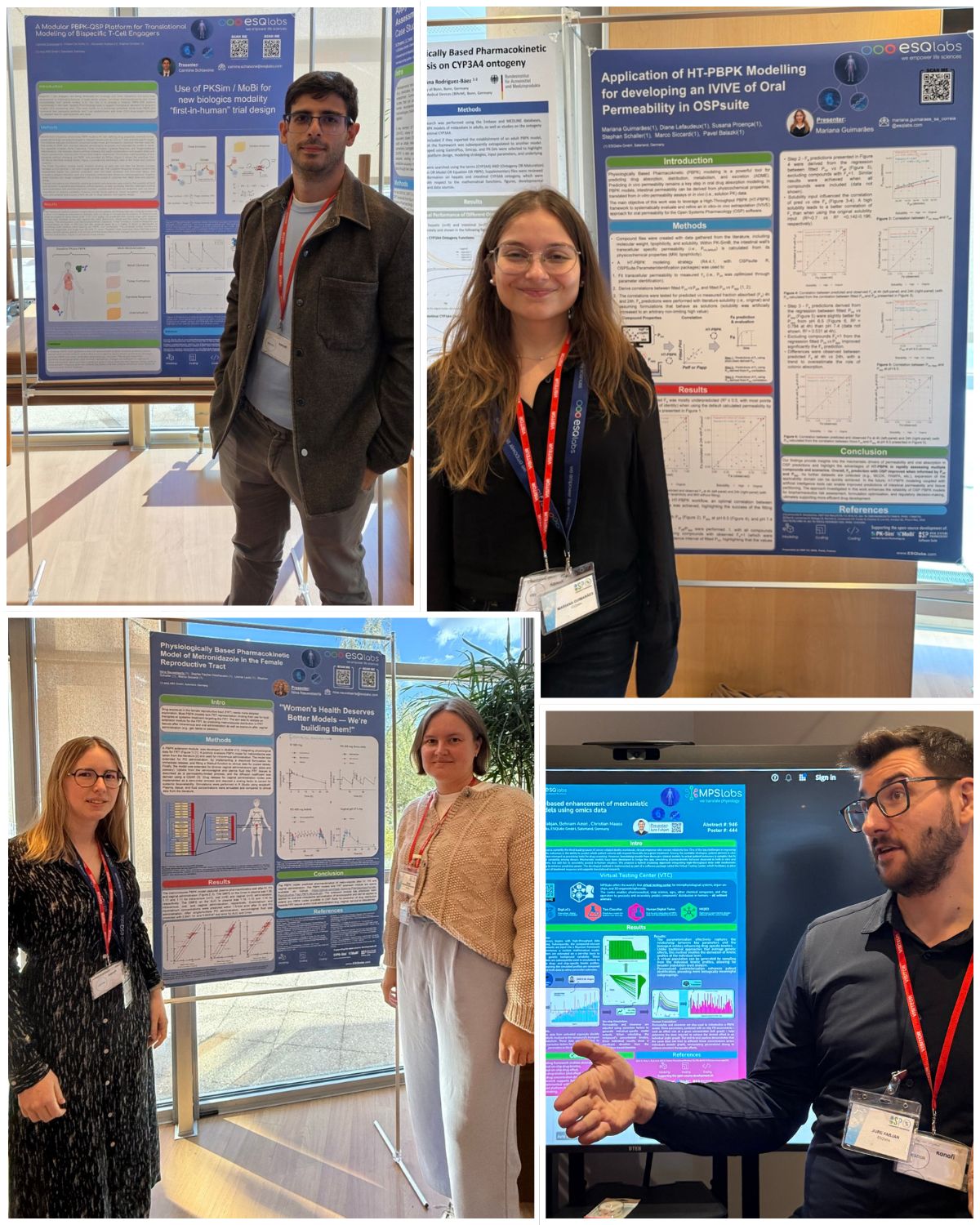
Carmine Schiavine
Carmine is a PhD candidate in a joint program between the Houston Methodist Research Institute and the University of Naples Federico II. With a solid background in Chemical Engineering, he now focuses on computational immunology — developing mechanistic models to characterize inter-individual variability in human vaccine responses and optimize dosing regimens for special populations.
At ESQlabs, he’s using his modeling knowledge to predict and enhance the activity of bispecific antibody engagers.
No publications assigned.
Christian Maass
Principal ScientistChristian Maass is a physicist and computational biologist with over eight years of academic and industrial experience, where he established a strong national and international network. He is passionate about the integration of computational modeling and biological experiments for translational pharmacology applications.
Before joining ESQlabs, Christian Maass worked in various therapeutic areas, e.g. neurodegenerative, inflammatory, and metabolic diseases (Alzheimer, rheumatoid arthritis, NASH/NAFLD). Among others, he developed individualized PBPK models for molecular radiotherapy (leukemia), automated workflows for big data (*omics), network-based analysis of inflammation diseases, and mechanistic modeling of organ-on-chip data.
He received his Master in Medical Physics from the University College London in 2012 and PhD from the University of Heidelberg in 2015. As a postdoctoral researcher at the Massachusetts Institute of Technology (MIT), Cambridge, MA, USA, he focused on application-driven method development for microphysiological systems in safety pharmacology. In 2018, Christian Maass joined Certara’s Quantitative Systems Pharmacology (QSP) team, working on liver disease models and leading projects to integrate organ-on-chip (OoC) and computational modeling for translational pharmacology applications.
- Studying metabolism with multiorgan chips: new tools for diseasemodelling, pharmacokinetics and pharmacodynamics
- Considering developmental neurotoxicity in vitro data forhuman health risk assessment using physiologicallybased kinetic modeling: deltamethrin case study
- Considering developmental neurotoxicity in vitro data for human health risk assessment using physiologically-based kinetic modeling: deltamethrin case study
- Dependence of treatment planning accuracy in peptide receptor radionuclide therapy on the sampling schedule
- Physiologically Based Pharmacokinetic Modeling Is Essential in 90Y-Labeled Anti-CD66 Radioimmunotherapy
- Establishing quasi-steady state operations of microphysiological systems (MPS) using tissue-specific metabolic dependencies
- Multi-functional scaling methodology for translational pharmacokinetic and pharmacodynamic applications using integrated microphysiological systems (MPS)
- Translational Assessment of Drug-Induced Proximal Tubule Injury Using a Kidney Microphysiological System
- Modelling human liver fibrosis in the context of non-alcoholic steatohepatitis using a microphysiological system
- A systematic review of kidney-on-a-chip-based models to study human renal (patho-)physiology
Cleo Demeester
ScientistCleo studied Bio-Pharmaceutical Sciences at Leiden University in the Netherlands. Afterwards, she started her PhD research at Bayer in collaboration with KU Leuven, as part of the Marie Curie project AGePOP. Her work focuses on the applicability of PBPK modelling for older adults and adults with obesity. At ESQlabs, she integrates PBPK modelling in the MPSlabs team.
No publications assigned.
Courtney Thompson, PhD
ScientistCourtney studied Mathematics at Liverpool John Moores University, where she also completed her PhD in Toxicology. Her research focused on using a read-across type approach to develop new PBK models. Previously, her postdoctoral work involved modelling thyroid hormone disruption. At ESQlabs, she is joining the QSP/T team.
Erwan Diroff, PhD
ScientistNo about text provided.No publications assigned.
Hanna Leithner
Hanna has a B.Sc. in Molecular Biology. Her thesis, “Computational Analysis of Pyrazoloquinolinones as Ligands for GABAA Receptors,” introduced her to the intersection of molecular systems and computation.
In her M.Sc. in Drug Discovery and Development, she focused on computational drug discovery and machine learning. Her research has included projects on machine learning–enhanced docking and covalent docking, as well as a master’s thesis investigating structural alerts for reactive metabolite–associated toxicity prediction. At ESQlabs, she is integrating the MPSlabs team.
No publications assigned.
Hsing-Chieh Lin (Candice)
ScientistHsing-Chieh (Candice) earned her Ph.D. in Toxicology from Texas A&M University, where her research integrated in vitro assays with computational modeling to enhance toxicokinetic and hazard predictions. She also holds an M.S. in Bioenvironmental Systems Engineering from National Taiwan University and a B.S. in Biomedical Science and Environmental Biology from Kaohsiung Medical University.
She is currently a Scientist at ESQlabs GmbH, where she develops and applies physiologically based pharmacokinetic (PBPK) and in vitro-to-in vivo extrapolation (IVIVE) models to support next-generation risk assessment (NGRA) for chemicals. She is dedicated to bridging experimental and computational methods to make chemical safety evaluation more reliable and efficient.No publications assigned.
Ingrid Michon
Principal ScientistIngrid is a medical biologist with a PhD in biopharmaceutical sciences. After several years in academia, she moved into the pharmaceutical industry, where she built over 12 years of experience in clinical pharmacology, pharmacokinetics and modeling. She also acted as the clinical pharmacology lead for regulatory submissions.
Her passion for PBPK modeling began while working as a clinical pharmacokineticist, assessing DDI liabilities in drug development pipelines. For the past 7 years, she has worked as a PBPK consultant, tackling a wide range of challenges including DDI assessment, first-in-human predictions, pediatric dosing, and regulatory submissions.Now, at ESQlabs, Ingrid continues to advance 𝗼𝗽𝗲𝗻 𝘀𝗰𝗶𝗲𝗻𝗰𝗲 and help solve complex drug development questions using open-source tools.
No publications assigned.
Jorin Diemer
ScientistJorin studied Biophysics at Humboldt University of Berlin and completed a PhD in Theoretical Biophysics, jointly hosted by Humboldt University and the Australian National University. His research focused on Systems Biology, particularly the ion regulation of the malaria parasite, driven by a long-standing passion for applying mathematical modelling to biomedical questions.
No publications assigned.
Jure Fabjan
ScientistJure holds a PhD in Neuroscience and brings valuable PostDoc experience as a Data Scientist in Toxicology. His work is dedicated to advancing Next-Generation Risk Assessment methodologies by leveraging big data and machine learning to bridge the gap between in vitro and in vivo results.
A key focus of his research is reducing the reliance on animal testing in toxicology, leading to more ethical and efficient approaches in the field.
He is particularly excited to apply his expertise to Microphysiological Systems (MPS) and Organ-on-a-Chip (OoC) data, driving innovation in personalized medicine and oncology.
No publications assigned.
Lara Lamon
Senior ScientistLara Lamon is an Environmental Scientist with a solid drive to investigate the unknowns of chemical exposure and enhance model simulations aimed at protecting human health and the environment.
She worked at ECVAM within the JRC on the grouping and read-across of nanomaterials. Lara contribiuted to applying the read-across framework released by ECHA to support nanomaterials dossiers submissions under the REACH regulation. She further advanced this expertise in the H2020 GRACIOUS project. Additionally, she has developed and applied modeling approaches to estimate environmental emissions and concentrations of environmental and emerging pollutants, including uncertainty analysis (Monte Carlo and sensitivity analysis).
Lara obtained her Ph.D. in Environmental Science at the Ca’ Foscari University of Venice at the Environmental Chemistry and Risk Assessment Unit. During her Ph.D., she was a visiting scholar at the Safety and Environmental Technology group at ETH Zürich, where she collaborated with Martin Scheringer and Matthew Macleod at the Safety and Technology group.
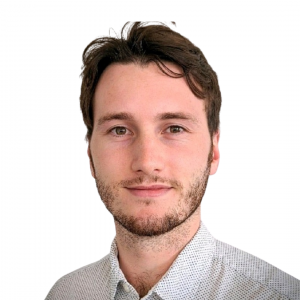
Laurence Dodd
ScientistLaurence joins us with a strong background in biopharmaceutics modeling. As a lead developer and consultant for biopharmaceutics modeling software, he focused on improving model performance and designing innovative features. Laurence has worked on a variety of projects, from mechanistic disintegration and surfactant solubilization to advanced models for supersaturating formulations like ASDs.
With a master’s in chemical engineering from UCL, Laurence brings expertise in modeling, simulation, process optimization, and renewable technology.No publications assigned.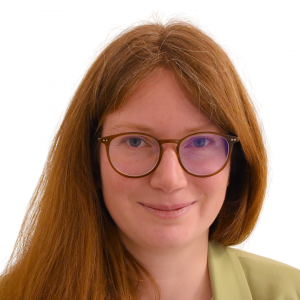
Leonie Lautz
ScientistLeonie Lautz is a Scientist at ESQlabs. Her work focuses on the development and application of harmonised methodologies applied to human health and animal health of chemicals, integration of cellular (in vitro) methods and computational models with a particular emphasis on kinetics and metabolism. Her research interests include physiologically based kinetic/dynamic modelling in livestock and laboratory animal species for next generation risk assessment. She is involved in projects related to veterinary pharmaceuticals, contaminants and feed/food safety.
After obtaining her BSc/MSc degree at the Radboud University Nijmegen, Leonie worked as scientific project leader at the French Agency for Food, Environmental and Occupational Health & Safety (ANSES, Paris, France). For this work, Leonie was awarded the SOT Exposure Specialty Section Best Abstract in 2020. In parallel to her work at ANSES, Leonie was appointed as junior researcher at Radboud University Nijmegen, where she obtained her PhD in veterinary toxicology/food safety in 2019. After that, she was employed at Wageningen Food Safety Research, where she was involved in/coordinated several projects for the European Food Safety Agency related to feed-food transfer and physiologically based kinetic modelling for livestock. Leonie was part of the international group that drafted the OECD GD on physiologically based kinetic models published in 2021.
- Augmented allometric scaling: Predicting drug clearance in farm animalswith machine learning using body weight
- Enhancing PB(P)K Models for the Female Reproductive Tract: A Framework for Local and Systemic Drug Kinetics
- Advancing Maternal-Fetal and Lactation PBK Models for Cross-Species Risk Assessment in Toxicology
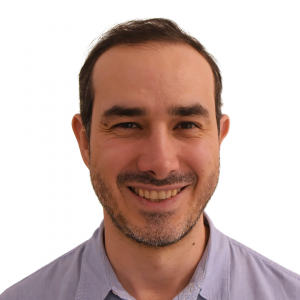
Luis David Jiménez Franco
Principal ScientistLuis David Jiménez Franco is an electronics engineer and medical physicist passionate about applying technical, physical and physiological knowledge to improve people’s quality of life. Before joining ESQlabs, he co-developed several physiologically-based pharmacokinetic (PBPK) models for radiopharmaceuticals as well as a PBPK-based algorithm that allows for individualised treatment planning in molecular radiotherapy.
He is experienced in clinical and pre-clinical trials for radiopharmaceuticals and has extensive knowledge of medical imaging and internal radiation dosimetry.
Luis studied Electronics Engineering at the Universidad Pontificia Bolivariana (Colombia) and completed Master’s degrees in Engineering (Universidad EAFIT, Colombia) and Medical Physics (University of Heidelberg, Germany). He received his Ph.D. in Medical Physics under the supervision of Prof. Gerhard Glatting.

Marco Albrecht
ScientistSince joining ESQlabs in 2019, Marco Albrecht worked in projects involving oncology, dermal absorption, intensive care, and QSP. He has prior expericence in several hospital wards, high-tech start-ups and research groups (Germany, Netherlands, France, Isreal). With his German biosystems engineering degree in control engineering, system theory, and molecular biology, his experience in transcriptomics analyis in Heidelberg, and his life-science PhD with a focus on mathematical histopathology and systems pharmacology of melanoma in Luxemburg, he is a valuable interdiciplinary consultant at ESQlabs.
In his additional role as quality manager, he earned multiple certifications in business management and regulation (Harvard, TÜV, ICC) to strengten ESQlabs administrative infrastructure, regulatory complience, coordination & knowledge management.No publications assigned.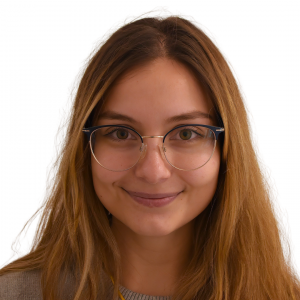
Mariana Guimarães
Senior ScientistMariana, a pharmacist with a Ph.D. in Biopharmaceutics. During her doctoral research, she worked on developing in vitro and in silico tools with a focus on predicting pediatric clinical outcomes. Mariana brings experience in applying physiologically based biopharmaceutics modeling (PBBM) to upport formulation development and understand oral drug absorption risks.
Before joining ESQlabs she worked at GSK in the Biopharmaceutics team, further applying tools for understanding biopharmaceutics risks in adult and pediatric drug development programs, including but not limited to the understanding of the behavior of formulations through application and development of biorelevant dissolution tests and PBBM
- A review of OSP suite PBBM capabilities: looking ahead
- Application of High-Throughput PBPK Modeling to Develop an IVIVE Approach for Oral Permeability
- Harnessing Open-Source Solutions: Insights From the FirstOpen Systems Pharmacology (OSP) Community Conference
- Harnessing Open-Source Solutions: Insights From the First Open Systems Pharmacology (OSP) Community Conference
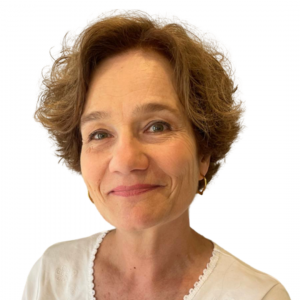
Nathalie Toublanc
Principal ScientistNathalie brings over 25 years of experience in the pharmaceutical industry, with more than 20 years in PK/clinical pharmacology and 5 years in product development (biopharmaceutics). Her career spans roles in both mid-sized and large companies, and she has also spent nearly three years at a software development company, where she designed and implemented impactful learning strategies and coaching initiatives.
In 2006, Nathalie discovered physiologically-based pharmacokinetic (PBPK) modeling, recognizing its power to reduce uncertainty, improve mechanistic insight, and accelerate drug development.At ESQlabs, in addition to some consultancy work on PBPK, she leads learning services to help users confidently adopt and work with the Open Systems Pharmacology (OSP) suite and address common misconceptions around open-source tools.
No publications assigned.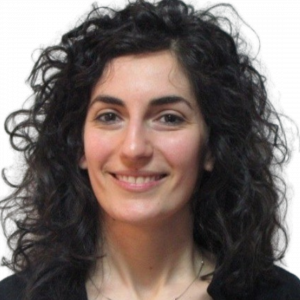
Nicoletta Ceres
ScientistNicoletta is a biomedical researcher with experience across academia and industry in computational modeling, spanning fundamental and applied work. Before joining esqLABS, she worked at Novadiscovery, connecting PBPK pharmacokinetics to QSP models for virtual clinical trials in oncology and metabolic diseases. There, she combined consultancy with method development and workflow optimization (model construction, calibration/validation, documentation) and gained hands-on exposure to regulatory pathways for in silico evidence and model credibility.
She holds a PharmD in pharmaceutical sciences and medicinal chemistry from the University of Naples (Italy). In academia, she moved from numerical methods for small-molecule design to a PhD in computational structural biology, building coarse-grained 3D models for mechanics and protein–protein interactions. More recently, she evaluated AI-based structure predictors for conformational changes in transmembrane drug targets.No publications assigned.
Nina Nauwelaerts
ScientistNina is a passionate scientist committed to improving the safe and effective use of medicines in vulnerable populations. She holds a Master’s degree in Drug Development from KU Leuven, Belgium and earned her PhD in the Drug Delivery and Disposition group led by Prof. Pieter Annaert, also at KU Leuven. Her doctoral research was conducted as part of the IMI project ConcePTION, where she specialized in developing and applying in vitro and physiologically based pharmacokinetic (PBPK) models to investigate medicine exposure in lactating mothers and their infants.
At ESQlabs, Nina contributes her expertise in PBPK modeling within our Toxicology/PBPK team, with a focus on special populations and advancing research in women’s health.- Harnessing Open-Source Solutions: Insights From the FirstOpen Systems Pharmacology (OSP) Community Conference
- Harnessing Open-Source Solutions: Insights From the First Open Systems Pharmacology (OSP) Community Conference
- Enhancing PB(P)K Models for the Female Reproductive Tract: A Framework for Local and Systemic Drug Kinetics
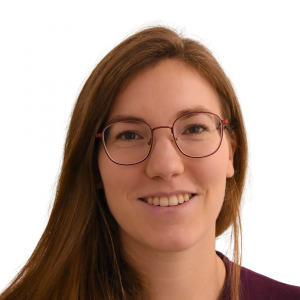
Raphaëlle Lesage
Senior ScientistRaphaëlle, is a Systems Pharmacologist and Bioengineer by training. At ESQlabs, she focuses on applying PBPK and QSP modelling to support drug development, she coordinates the Special Population core service and is particularly interested in modelling special populations to optimize therapeutic strategies, design trials, and prevent unsafe exposure..
Previously, she served as Chief Scientific Officer at the Virtual Physiological Human Institute, where she coordinated scientific working groups in multiple European projects and led stakeholder engagement and regulatory initiatives for advancing in silico medicine.
She studied Bioengineering and Computational modelling for Biology and Pharmacology at Polytech Nice Sophia. She obtained a degree in reseach valorization from UMPC (Paris) and she holds an interdisciplinary PhD in Engineering and Biomedical Sciences from KU Leuven (Belgium), where she conducted research on computational modelling of therapeutic strategies to limit cartilage degeneration or promote bone regeneration.
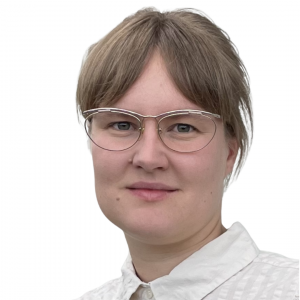
Sophie Fischer-Holzhausen
ScientistSophie is a biophysicist dedicated to unraveling the complex interactions underlying physiological processes through mathematical modeling and simulation. She joined ESQlabs in early 2024 as a scientist systems pharmacology.
She earned her Master’s degree in Biophysics from Humboldt University of Berlin, Germany. For her PhD, Sophie joined Prof. Susanna Röblitz’s Computational Systems Biology group at the University of Bergen, Norway, where she helped develop a mechanistic model of menstrual cycle’s endocrine regulation. Prior to joining ESQlabs, she worked as a Pharmacometrician at AstraZeneca in Gothenburg, Sweden.
Sophie is especially passionate about women’s health and leads related initiatives at ESQlabs.

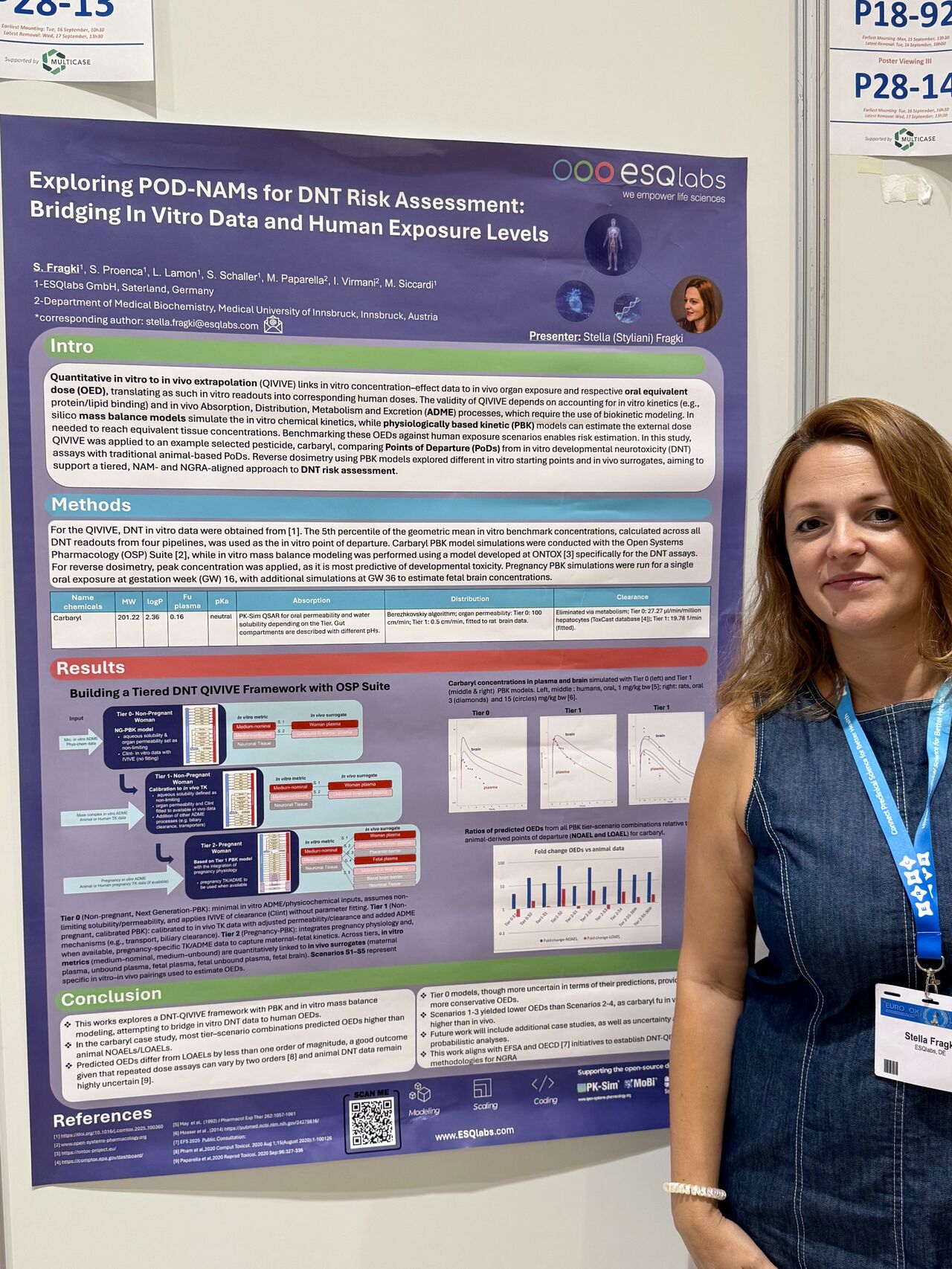
Stella Fragki
Senior ScientistStyliani (Stella) Fragki is a Senior Scientist in Systems Toxicology at ESQlabs, where she applies physiologically based kinetic (PBK) modeling in chemical risk assessment. Her work focuses on integrating New Approach Methodologies (NAMs) within the framework of Next-Generation Risk Assessment (NGRA), with the aim of supporting human-relevant and animal-free safety evaluations.
She is a certified European Registered Toxicologist and has been active in the field of toxicological risk assessment since 2010, supporting the (agro)chemical industry with dossier preparation for plant protection products, biocides, and REACH-regulated substances.
Stella holds a degree in Biology from Thessaloniki, Greece, and an MSc in Food Safety from Wageningen University in the Netherlands. Her PhD research focused on quantitative in vitro to in vivo extrapolation (QIVIVE) using physiologically based kinetic (PBK) modeling, integrating data from both in vitro and in silico sources. Stella is also a certified European Registered Toxicologist.
- Towards best use and regulatory acceptance of generic physiologically based kinetic (PBK) models for in vitro-to-in vivo extrapolation (IVIVE) in chemical risk assessment
- Towards best use and regulatory acceptance of generic physiologicallybased kinetic (PBK) models for in vitro‑to‑in vivo extrapolation (IVIVE)in chemical risk assessment
- Advancing PFAS risk assessment Integrative approaches using agent-basedmodelling and physiologically-based kinetic for environmental andhealth safety
- EFSA Project on the use of NAMs to explore the immunotoxicity of PFAS
- Advancing Maternal-Fetal and Lactation PBK Models for Cross-Species Risk Assessment in Toxicology
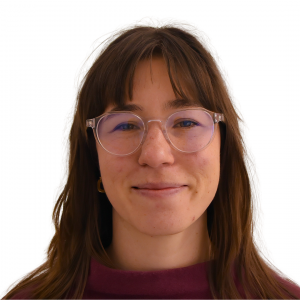
Susana Proença
ScientistSusana Proença is a biologist and toxicologist dedicated to the leveraging in vitro and in silico data for parameterizing PBPK models and to perform chemical safety assessment. She is focused on developing frameworks and case-studies for IVIVE, extrapolation of ADME properties from in vitro to in vivo, and on QIVIVE, extrapolating in vitro effect concentrations to in vivo doses. She has experience in working with PBPK models both in OSP and in R.
Before joining ESQlabs, she worked at Wageningen University, Toxicology division under Dr. Nynke Kramer supervision. There she worked on evaluating in vitro kinetics of chemical related to different toxicological ontologies (such as cholestasis and development neurotoxicity) and developing strategies for performing QIVIVE for these chemicals. Before this she underwent an internship at ECVAM-JRC on in silico modelling of in vitro kinetics, which was followed by a stint automating chemical data curation from REACH dossiers, also in JRC.
Susana obtained her Master’s degree in Bio-Pharmaceutical Sciences from Faculty of Pharmaceutical Sciences, Lisbon University (Portugal). For her PhD thesis, she studied the in vitro kinetics in complex in vitro models and (Q)IVIVE of highly lipophilic chemicals. The thesis was supervised by Dr. Nynke Kramer at the Institute for Risk Assessment Sciences at Utrecht University. The work was multidisciplinary, envolving setting in vitro experiments, analytical methods, transcriptomics analysis and in silico modelling. Her PhD thesis will be submitted soon.
- Workshop Report no.40 – Chronos and Kairos: Understanding time in biology for NGRA
- Application of High-Throughput PBPK Modeling to Develop an IVIVE Approach for Oral Permeability
- Effective exposure of chemicals in in vitro cell systems: A review of chemical distribution models
- Harnessing Open-Source Solutions: Insights From the FirstOpen Systems Pharmacology (OSP) Community Conference
- Harnessing Open-Source Solutions: Insights From the First Open Systems Pharmacology (OSP) Community Conference
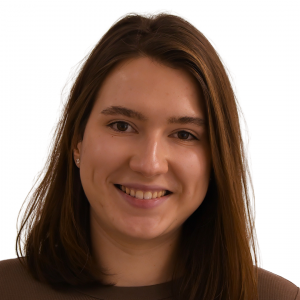
Tatiana Zasedateleva
ScientistTatiana Zasedateleva is a scientist who started her career at ESQlabs conducting research on “Rate-limiting step analysis for target binding in tissue” under the supervision of Dr. Wilbert de Witte. Currently, she actively contributes to projects focusing on the PBPK-modeling of large molecules.
Tatiana holds a degree in Pharmaceutical Sciences from Moscow State University (Russia) and gained diverse professional experience during her academic journey. Her background encompasses research in atherosclerosis, specifically delving into the potential mechanisms of atherothrombogenicity associated with lipoprotein(a). She also was involved in the development of quality control methods for the original drug during her thesis work. In addition to her academic pursuits, Tatiana gained industry experience at Abbott Laboratories, where she worked in the QA&RA department, specializing in medical devices.
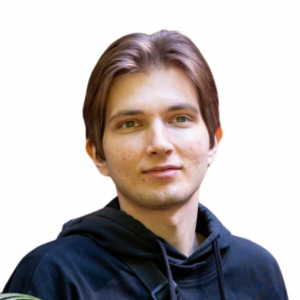
Timofei Kondratev
ScientistTim Kondratev, or Tim, has joined our team as a Senior Graph Data Engineer.
He started his career as a software engineer in robotics, working across hardware, software, and simulation development. He later dedicated himself to graphs and data visualizations, a long-standing passion of his.
Tim has contributed to the design and development of interactive graph visualizations for large platforms and participated in research exploring how vulnerabilities spread across software dependencies. He has also built and managed large graph databases.No publications assigned.
Vanessa Baier
Senior ScientistVanessa Baier is bioinformatician by training, with a focus on computational modeling in the field of systems biology/systems pharmacology. She has experience with lab data management tools, Bayesian population PBPK techniques, and the contextualization of in vitro data and mechanistic PBPK models. Her main area at ESQlabs lies in vitro/in vivo extrapolation and toxicity modeling within PBPK QSP
Vanessa Baier studied computer science at TU Braunschweig and Bioinformatics at Goethe University Frankfurt. After an internship at Sanofi, she completed her master thesis at Bayer in the group of Complex Systems Modeling / Applied Mathematics. She then joined the group of Lars Kuepfer at RWTH Aachen University to complete her PhD on PBPK modeling of drug-induced liver injury (DILI) .
- Evaluation of BCRP‑Related DDIs Between Methotrexateand Cyclosporin A Using Physiologically Based PharmacokineticModelling
- A generic avian physiologically-based kinetic (PBK) model and itsapplication in three bird species
- Reproductive toxicity in birds predicted by physiologically-based kinetics and bioenergetics modelling
- A generic avian physiologically-based kinetic (PBK) model and its application in three bird species

Venetia Karamitsou
ScientistVenetia Karamitsou is a mathematician with expertise in mechanistic and predictive modeling and an interest in utilizing state-of-the-art machine learning methods to aid the drug development process.
Before joining ESQlabs, she worked as a postdoc at Sanofi as part of the Translational Disease Modeling team. There, she contributed to the development of a quantitative systems pharmacology model for inflammatory bowel disease and to the generation and optimization of a virtual patient population.
Venetia obtained her PhD from the University of Cambridge under the supervision of Prof. Julia Gog in the Disease Dynamics group. Her thesis focused on developing a cross-scale model for the evolution of influenza and the effects of vaccination.
No publications assigned.
Wilbert de Witte
Principal ScientistWilbert de Witte is a Pharmacologist with a strong drive to understand complex mechanisms and the models that represent them. At ESQlabs, he leads the large molecule PBPK and novel modalities platform and he leads the large molecule focus group of the OSP community.
Before joining ESQlabs, he worked at Ablynx NV, later Sanofi Ghent, on the preclinical and clinical development of NANOBODY® therapeutics. He developed several PBPK and PBPK-QSP models as well as traditional TMDD and PKPD models for mechanistic analysis of in vitro, in vivo, and clinical data. He accumulated in-depth knowledge on the behavior of large molecules in different modalities and with various target binding characteristics.
Wilbert de Witte obtained his Master’s degree in Bio-Pharmaceutical Sciences from Leiden University (the Netherlands). For his PhD thesis, he studied the impact of drug-target binding kinetics on in vivo drug action. His PhD research was supervised by Prof. Liesbeth de Lange, Prof. Piet-Hein van der Graaf and Prof. Meindert Danhof at the department of Pharmacology at Leiden University.
- Local depletion of large molecule drugs due to target binding in tissue interstitial space
- Harnessing Open-Source Solutions: Insights From the FirstOpen Systems Pharmacology (OSP) Community Conference
- Harnessing Open-Source Solutions: Insights From the First Open Systems Pharmacology (OSP) Community Conference
- Local depletion of large molecule drugs due to target binding in tissue interstitial space
- Whole-Body Physiologically Based Pharmacokinetic Modeling Framework for Tissue Target Engagement of CD3 Bispecific Antibodies
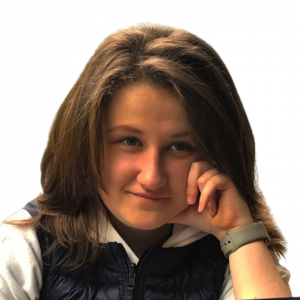
Anastasiia Kostiv (Ext)
Software DeveloperAnastasiia discovered her passion for programming as a teenager, participating in Google-organized youth programming contests such as Google Code-in. She later developed an interest in data analysis and earned a Master’s degree in Data Analytics. Anastasiia has worked on projects for the World Health Organization (WHO) and the International Finance Corporation (IFC), a sister organization of the World Bank, and contributed to the Bohemia project, a groundbreaking clinical trial focused on malaria prevention in Sub-Saharan Africa. Beyond her professional work, she is committed to continuous learning and knowledge-sharing, developing her own R packages. In her spare time, she explores 3D modeling to advance data analysis and storytelling through immersive visualization, believing that VR will play an important role in the future of the data analytics industry.
No publications assigned.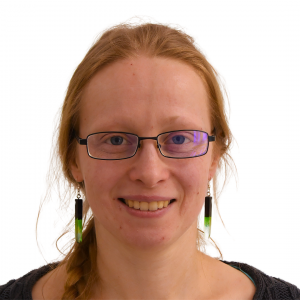
Diane Lefaudeux
ScientistDiane Lefaudeux is an interdisciplinary scientist with a strong drive to understand complex mechanisms and in particular those arising from biological systems.
Before joining ESQlabs, she worked at Novadiscovery where she developed PBPK-QSP models on various therapeutic areas to predict outcomes using virtual populations.
Diane obtained her Master’s degree in General Engineering from École Centrale Paris, France, as well as in Control Systems Engineering and Systems Biology from University of Stuttgart, Germany.
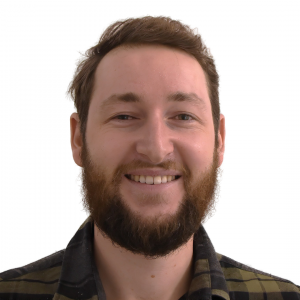
Félix Mil
Senior Software DeveloperFelix Mil is an experienced data scientist and creative problem solver with a strong foundation in software development and biotechnology. He excels at building user‑centric tools that automate workflows, simplify complex tasks, and turn raw data into actionable insights.
Passionate about delivering high‑quality, maintainable code, Felix adheres to best practices while designing intuitive applications, dashboards, and streamlined data pipelines. He loves crafting solutions that make life easier for both colleagues and end‑users, combining solid back‑end architecture with thoughtful, user‑friendly experiences.
Previously, Felix worked in research and development, data analysis, and software engineering roles, where he honed his skills in creating custom analytical tools and improving data workflows across teams. This experience gave him a broad perspective on the entire data lifecycle, from raw data handling to delivering clear, impactful results.
A collaborative and knowledge‑driven team player, Felix enjoys helping others grow, sharing expertise, and fostering a culture of continuous improvement. His versatility across data engineering, analytics, and user experience makes him a valuable asset to any data‑driven initiative.
No publications assigned.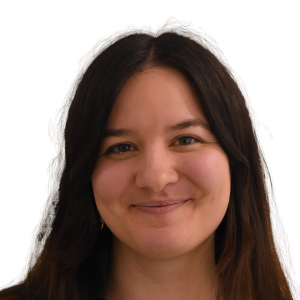
Laura Villain
ScientistLaura Villain is a biomodeler with interests in various mechanistic modeling approaches and statistical methods. She has experience with popPK, QSP, and PBPK models, complemented by her biostatistics skills.
Before joining ESQlabs, she worked at Novadiscovery, where she developed and improved several PBPK and PBPK-QSP models to reproduce in silico trials. She gained in-depth knowledge of all the steps required to develop a model that can reproduce clinical outputs in compliance with regulatory guidelines. She is also interested in R programming and has provided internal training on R within the company. Before that, she worked as a postdoctoral researcher in biostatistics in the oncology field at INRIA (Bordeaux University). There, she explored high-dimensional methods to link omics data with time-to-event outcomes.
Laura received her Master’s degree in biomodeling sciences from INSA Lyon (France). For her Ph.D. thesis, she studied the impact of interleukin 7 injections on HIV-infected patients. She used a mechanistic model and proposed an adaptive protocol of injections. Her PhD research was supervised by Dr. Daniel Commenges and Prof. Rodolphe Thiébaut at the Department of Public Health at Bordeaux University.
No publications assigned.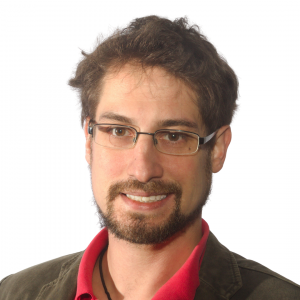
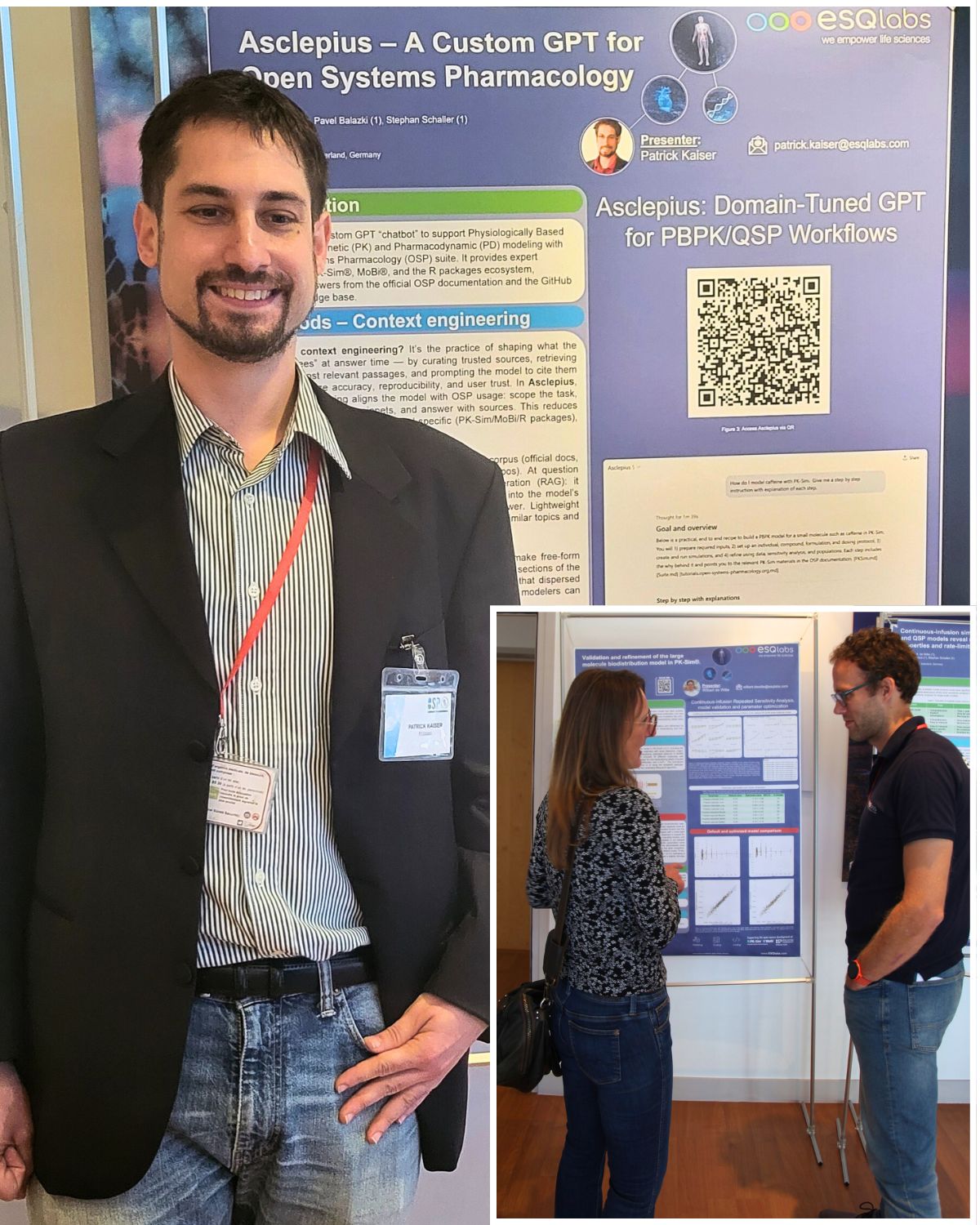
Patrick Kaiser
Software DeveloperPatrick brings a rich and diverse background that blends 𝐜𝐫𝐞𝐚𝐭𝐢𝐯𝐞 𝐝𝐢𝐠𝐢𝐭𝐚𝐥 𝐦𝐞𝐝𝐢𝐚, 𝐭𝐡𝐞𝐨𝐫𝐞𝐭𝐢𝐜𝐚𝐥 𝐜𝐡𝐞𝐦𝐢𝐬𝐭𝐫𝐲, 𝐀𝐈, 𝐚𝐧𝐝 𝐛𝐥𝐨𝐜𝐤𝐜𝐡𝐚𝐢𝐧 𝐝𝐞𝐯𝐞𝐥𝐨𝐩𝐦𝐞𝐧𝐭.
He began his professional journey in creative digital media, working as a web and graphic designer. He later pursued academic studies in physical and theoretical chemistry, earning a B.Sc. in Physical Chemistry with a thesis on finite element simulations of polymer film drying, followed by an M.Sc. focused on simulating the nitrogenase mechanism using DFT.
Alongside his studies, he contributed to open-source scientific software, developing a Python interface between CP-PAW and the Atomic Simulation Environment (ASE). After his master’s, he specialized in AI and blockchain development. His work includes implementing local generative AI models and contributing to smart contract ecosystems. We can tell that his journey is anything but linear, and that’s exactly why he fits right in!
Since joining ESQlabs, Patrick has focused on integrating large language models (LLMs) into day-to-day workflows, driving innovation in scientific data processing and decision support.
No publications assigned.
Robert McIntosh (Ext)
Senior Software EngineerRobert McIntosh is an experienced software professional with a particular interest in creating code that is easy to understand and easy to maintain.
Before joining ESQlabs, he worked on a wide range of platforms and projects. He has written software that runs golf carts, electric bikes, electric riding lawn mowers, mobile apps for Android and iOS, and software for web, desktops, and servers.
As a contractor to Bayer Technology Services GmbH, Robert McIntosh has already contributed to the Open Systems Pharmacology Suite before joining ESQlabs.
No publications assigned.
Rudolf Engelke
Senior Software Developer
Siavash Mirzaee
Senior Software DeveloperSiavash is an academic MS biostatistician and R developer since the days of S-PLUS 2000, he brings a mix of AIoT expertise in industrial settings, marketing intelligence insight, and hands-on experience running workshops on privacy-aware AI/LLM implementation. He values the explainability of ML/AI over raw precision, ensuring solutions are transparent, trustworthy, and impactful. At ESQlabs, he works developing predictive models and Shiny Apps, supporting our software team.
No publications assigned.
Sorin Voicu
Senior Software DeveloperNo about text provided.No publications assigned.
Ana Yisel Caballero Alfonso
With a Ph.D. in Computational Toxicology and six years of research experience, Ana brings a mix of scientific expertise and business acumen. Her background in the pharmaceutical industry and strategic business development will be crucial in driving innovation and creating impactful results for ESQlabs.
Ana’s passion for pharmacology and toxicology, combined with her dedication to business growth, makes her a fantastic addition to our team!
No publications assigned.
Laura Kata
Laura is an Operations Manager, who takes a holistic approach to managing projects and making sure everything runs smoothly across the organization.
Before joining ESQlabs, Laura worked for several years as Project Manager for clients in the Life Sciences field. With her experience in project management, she brings a dynamic skill set and a proven track record of delivering excellence for every project. With a strong focus on client satisfaction, Laura fosters collaborative relationships built on trust, transparency, and open communication. Her expertise lays in streamlining processes, optimizing workflows, and enhancing overall productivity.
Laura earned her Master’s degree in Business Administration from the Berlin School of Business and Innovation.
No publications assigned.
Monique Fontana
Monique Fontana is a pharmacist with a passion for communication, blending some scientific expertise with creativity. Her career journey includes working with renowned beauty brands, where she developed skills in marketing, digital strategy, and brand development.
With a talent for translating complex concepts into relatable content, she truly loves connecting science with people.
No publications assigned.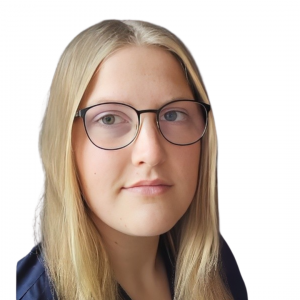
Nele Janßen
Nele Janßen joined ESQlabs in January 2022 and quickly became an indispensable force at the office. She keeps everything organized and up to date to keep others’ backs free. Moreover, she supports scientists wherever she can, shows an insatiable willingness to learn, and goes beyond her training to make ESQlabs a well-performing company.
No publications assigned.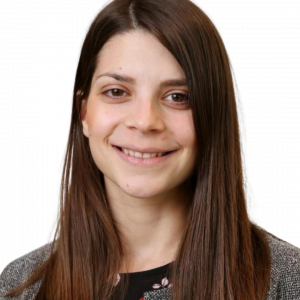
Evi Vazakidou
Evi is finalizing her PhD thesis in Vrije University of Amsterdam (VU, A-LIFE Institute) unraveling human ovarian steroidogenesis through targeted metabolomics and improving in vitro testing of chemicals (EDCs) which could disrupt steroid hormones and female reproductive health. Moreover, she has a master degree in Drug Disposition and Safety Assessment (molecular toxicology) in VU, Amsterdam and a pharmacy degree in AUTH, Thessaloniki in Greece. Additionally, she has worked previously in various research projects about identification of liver drug metabolites (VU), development of population PK model (Leiden University), pharmacological screening for anti-cancer molecules (University of Helsinki).
At ESQlabs she is working as an intern on different projects within the Toxicology Team, learning and applying PBK models for chemical safety.No publications assigned.